
In partnership with


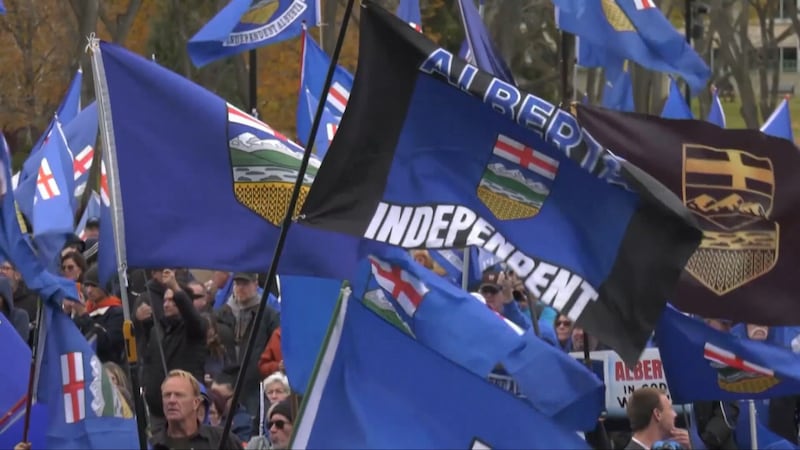
Albertans voted on Monday: they're staying. Here's what matters:
About 76% voted to remain in Canada. That's roughly 1.37 million people, against 24% who wanted to start down the path to a binding secession vote. (results)
It was Canada's first separation-related vote since Quebec in 1995. It came just two weeks after Quebec elected a Parti Québécois government that promises a third referendum after 2029.
The ballot carried nine other questions, on immigration and the Constitution. Those were far closer, and most are leaning yes.
The counts are still preliminary. Every ballot is counted by hand, and some questions remain too close to call.
Source: CTV News
The vote that will TRULY shape the next year
Separation got the headlines, but the other nine questions were more interesting. Five were about immigration. Taken together, they amount to Alberta asking for a bigger say in who comes to the province and what they can access once they're here.
The clearest answer was on public services. About 57% backed limiting provincially funded programs like health care and education to citizens, permanent residents and people with Alberta-approved status. Other questions floated a residency requirement and fees for some temporary residents, and those leaned yes too. The strongest result of the night had nothing to do with services at all: more than 63% supported requiring proof of citizenship, like a passport or birth certificate, to vote in provincial elections.
Where the voters voted from was curious too. Rural ridings said yes to the immigration questions by wide margins, while Calgary and Edmonton were split. The four constitutional questions were close to a coin toss, with the strongest at about 53%. They covered abolishing the Senate, letting provinces pick superior court judges and giving provincial laws priority over federal ones. So Alberta isn't speaking with one voice. It's a province that firmly rejected leaving Canada but wants a different deal inside it.
That's what Premier Danielle Smith was really after. She'd said she wanted these yes votes as a mandate before going to Ottawa, and now she has one. Supporters see it as keeping growth sustainable. Critics, including Edmonton's mayor, see newcomers being made the scapegoat. (full breakdown)
So the unity question is settled, and businesses are relieved that a major source of uncertainty is gone. The tug-of-war between Edmonton and Ottawa isn't settled. None of the immigration results are binding, and changing the Constitution would take Ottawa and other provinces. Albertans have been here before: in 2021, 62% voted to take equalization out of the Constitution, and nothing came of it.
When polls showed about one in three Albertans open to leaving, we mapped what separation would actually take: the debt, the passports, the pensions, the pipelines. It's a different watch now that we know the answer.
For Canadians, nothing changes today, even for anyone in Alberta on a work or study permit. If you're curious, look up how individual ridings voted. The gap between the cities and the countryside says more than the provincial total.
Two separation votes, 31 years apart

Quebec's 1995 referendum was decided by 54,288 votes. Alberta's remain side won by roughly 900,000. Source: Elections Alberta, preliminary, Oct. 20, 2026; Élections Québec

What didn't change
The vote settled the separation question, but it didn't change why so many people move to Alberta. More Canadians have moved there than left for 20 straight quarters, drawn by work and housing that costs less than in Ontario or B.C.
If you, or someone in your family, is weighing a move like that, the hardest part is usually getting the job search process right. That's what we built the Boost for. You can browse job postings from Alberta’s fastest growing companies, scan your resume for free and get a personalized plan on how to stand out in your next job search.
Timbits 🍡
Book Air Canada online, not by phone. Since Oct. 15, new bookings made through an agent cost $30 plus tax per passenger. The website and app stay free, and calls about delays or cancellations are exempt.
A tax deadline worth up to $1,800. Did you miss a tax return for any year from 2021 to 2024 in a province that got the Canada Carbon Rebate? That includes Alberta and Ontario. Ottawa has proposed cutting off retroactive payments for returns filed after Oct. 30. The cutoff isn't law yet, but filing now locks in your claim.
Free cybersecurity help for your nonprofit. If you sit on a charity board, Cyber Clinics Canada launched last week with $3.5M from Google.org. It pairs students with community organizations for free security assessments.
A Timbit about Timbits. Tim Hortons' Halloween collection stars the new Timbits Mummy. Options include a $5.99 glow-in-the-dark bucket, a $15.99 plush and online-only hoodies.
Canada gets a first. MINISO picked Mississauga's Square One for its first SUPER MINISO outside China. Winnipeg, Montréal and a Toronto MINISO LAND follow this fall.

Many parents blamed themselves, or their kids, for the hours lost to the feed. But legal claims allege social media companies built in psychological triggers on purpose: intermittent rewards, endless scrolling, toxic social comparison, and recommendation engines that pull kids into content rabbit holes.
Now families are filing legal claims against platforms like Instagram and TikTok.
You may be eligible if:
Excessive social media use started under age 18
There was a diagnosis of an eating disorder, severe anxiety, depression, or self-harm
ClaimsHero checks whether you qualify for a claim and gets your family justice. Nothing upfront. We only get paid if your claim is successful.